
Robust aim for corralling the insidious lasting effects from the pandemic.
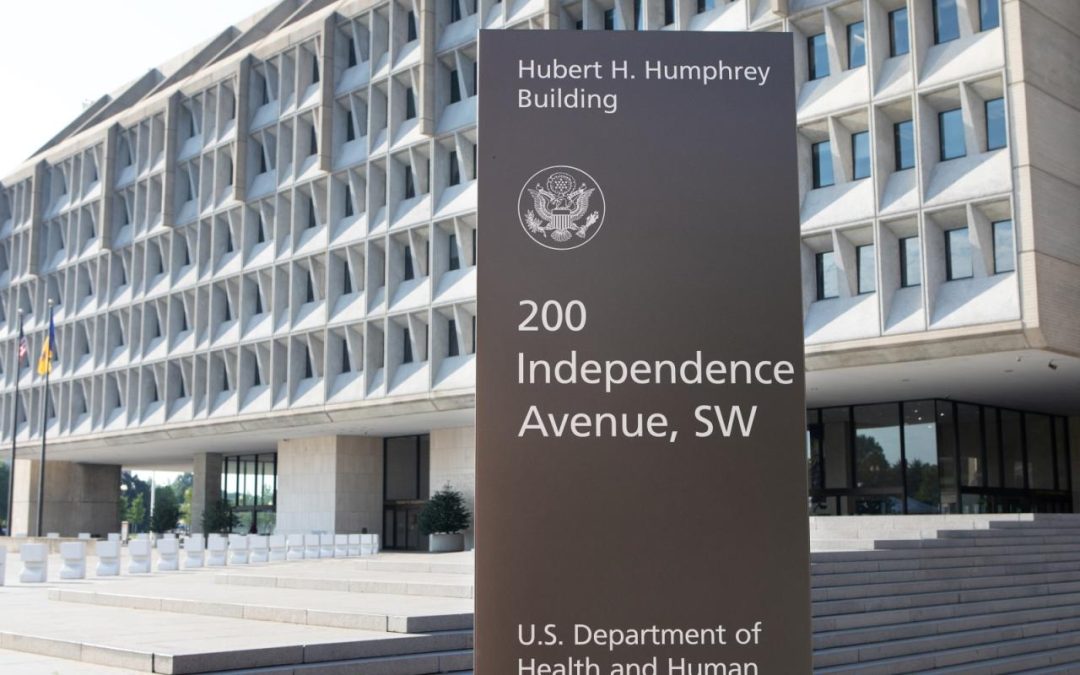
Action Plan from Biden Administration on Addressing Long COVID
read more
Robust aim for corralling the insidious lasting effects from the pandemic.

An expert of aging and ageism explains the impact of age discrimination.

Ageism not only affects daily life, but also life post-COVID—what follows are ideas for avoiding it when seeking medical help.

Long COVID symptoms are numerous but can be tough to diagnose, and to document for disability payment.

How brain fog functions and what can be done to ameliorate it.
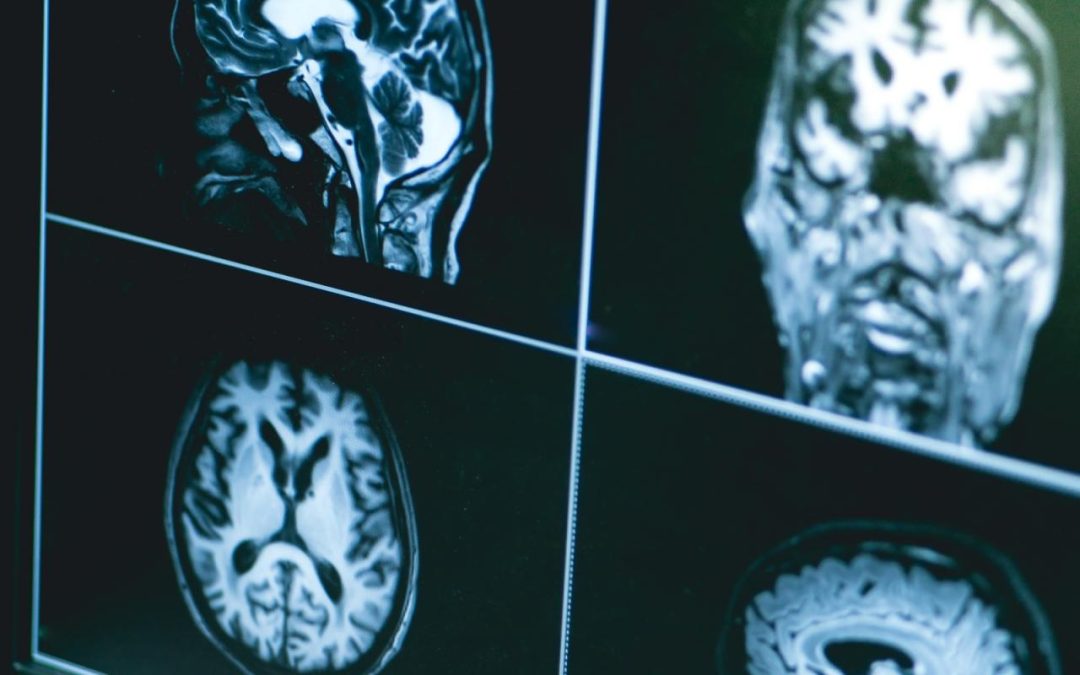
Which illnesses most often follow Long COVID and how do they tend to affect older adults?

Older adults are most at risk of Long COVID and have a role to play in driving research forward on this complex condition.
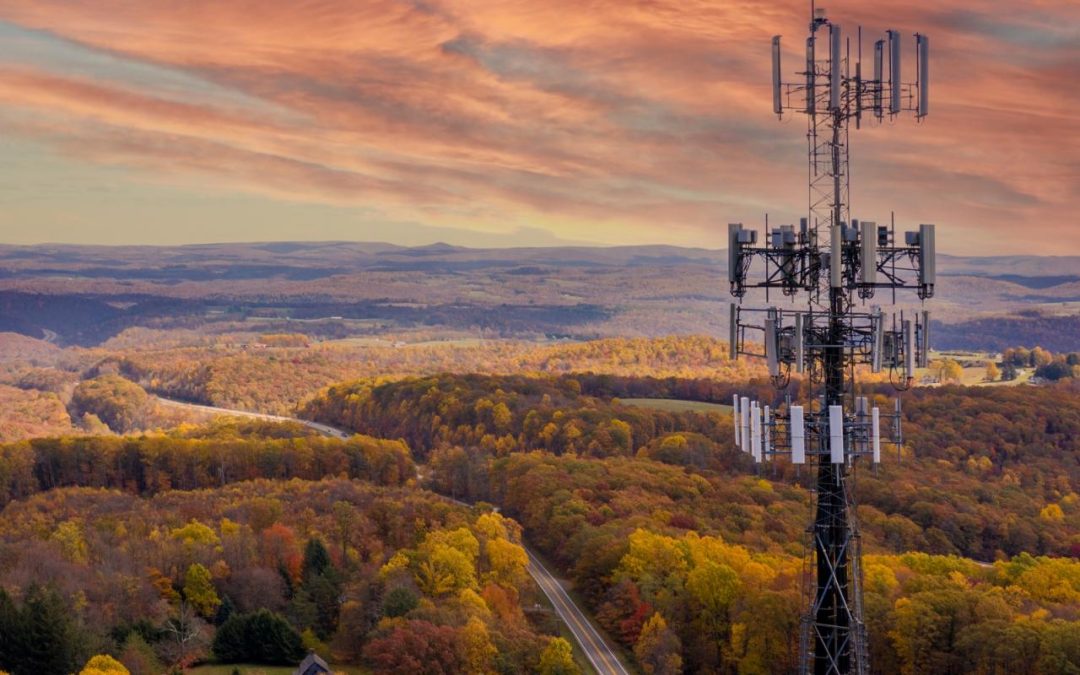
Broadband connection for older adults in the U.S. is only 64%, making it nearly impossible to conduct business in the modern world.

Malnutrition Awareness Week is a good time to think about the fact that 50% of older adults are at risk of becoming or already malnourished.

An essentially temporary workforce can’t care for elders as they should.

Data from the Care Connections Program shows benefits for training elders to use devices for socializing and healthcare.

Join the Ageism & Culture Advisory Council in this Members Only event for tips on publicizing Ageism Awareness Day.

One caregiver’s tale illustrates a national crisis.

Lessons learned the hard way, about having compassion in social work.

We’re preaching—now it’s time for the choir to sing!

A caregiver’s sense of her mother’s dementia behaviors is influenced by media portrayals.

The work of GRR! Is debunking anti-abortion centers, telling abortion stories and activating.

Many Indigenous elders are leading language revitalization pushes for their tribes.

Adding the Global Malnutrition Composite Score to inpatient hospital quality reporting will benefit health equity and outcomes, older adults and community nutrition programs.
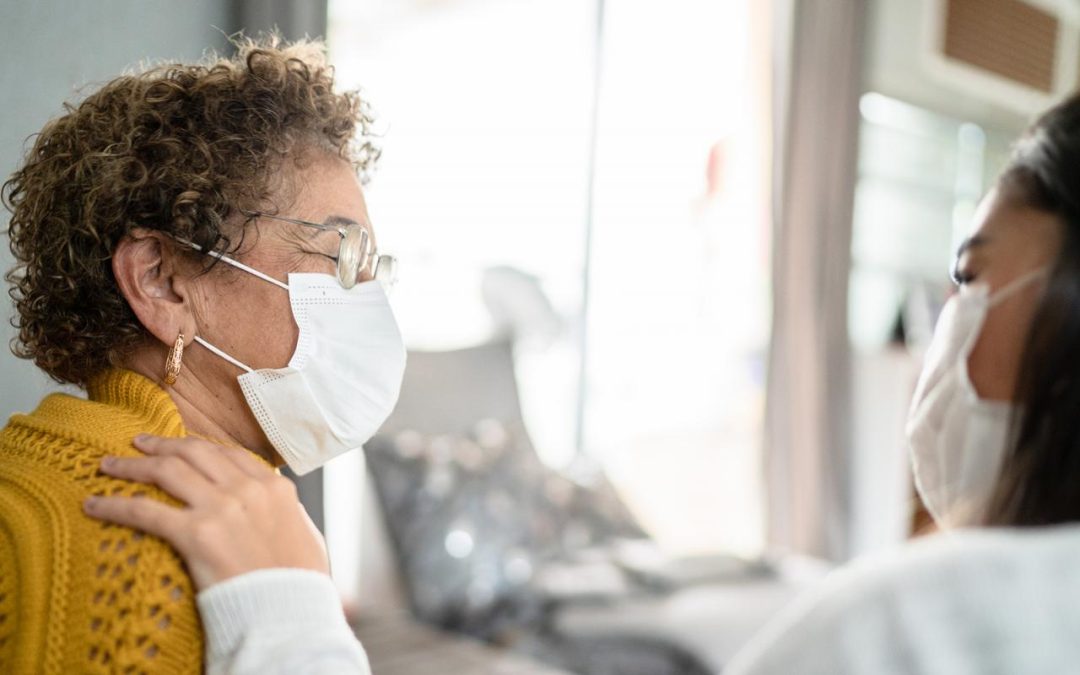
New report shows varied but disappointing response by states in compensating workers who had been deemed ‘essential.’