
The Connected Horse program shows great promise in changing the narrative, and reality, around dementia.
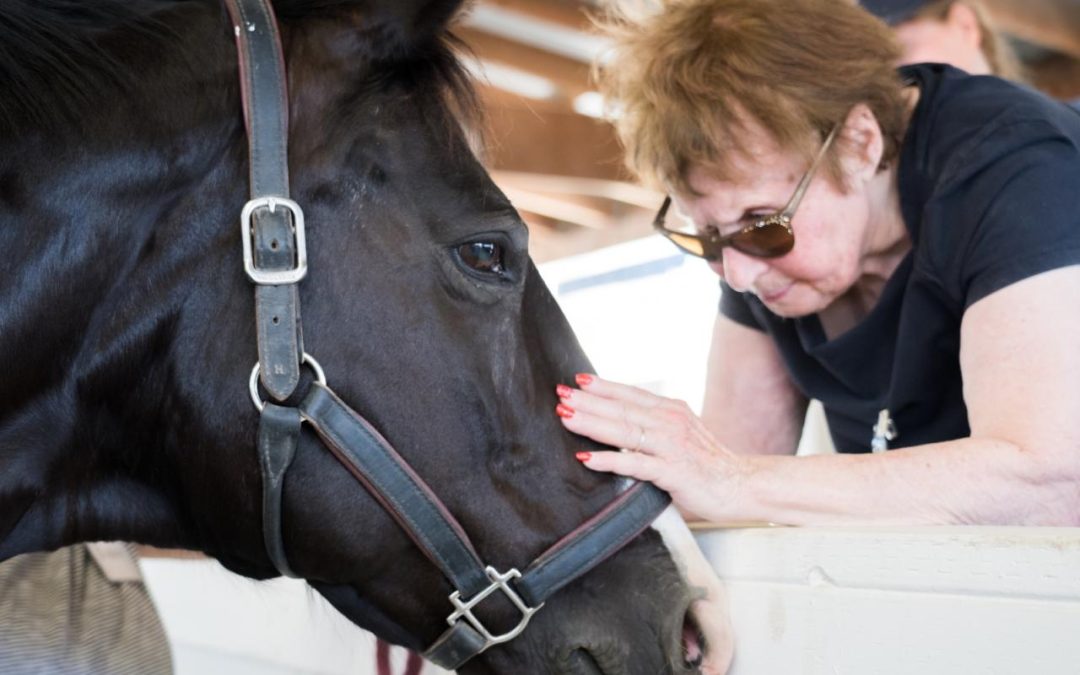
Horse Whisperers Connect Care Partners and People with Dementia
read more
The Connected Horse program shows great promise in changing the narrative, and reality, around dementia.

ASA’s On Aging Conference provides a chance to visit this crucial historic site.

Planning well ensures aging well in communities, with proper supports.

Lumping Asian Americans into one category, leading to underestimation of dementia risk and challenges seeking treatment.

SAGECare trains businesses to care for elders in a culturally competent way and it works.

Social connectedness is vital during COVID-19.

Putting a name to COVID-19 deaths among older adults in congregate settings.

Why it’s important to consider using a care binder and how they help family caregivers.

As a board member and the chair of the American Society on Aging's Public Policy Committee, I have been working with our all-member, all-volunteer committee to advance ASA's role in public policy. Thank you to our dedicated cadre of experts working on behalf of ASA to inform our policy work. The year 2022 has been a turning point for ASA's policy efforts....

More equal access to healthcare and safety net provisions across the life course could be key.

If the Court were to adopt the nursing facility’s reasoning, the consequences would be dire.

Maryland Department of Aging routinely recycles durable medical equipment for those who need it.

Program fosters leaders who change health and aging policy and improve healthcare for elders.
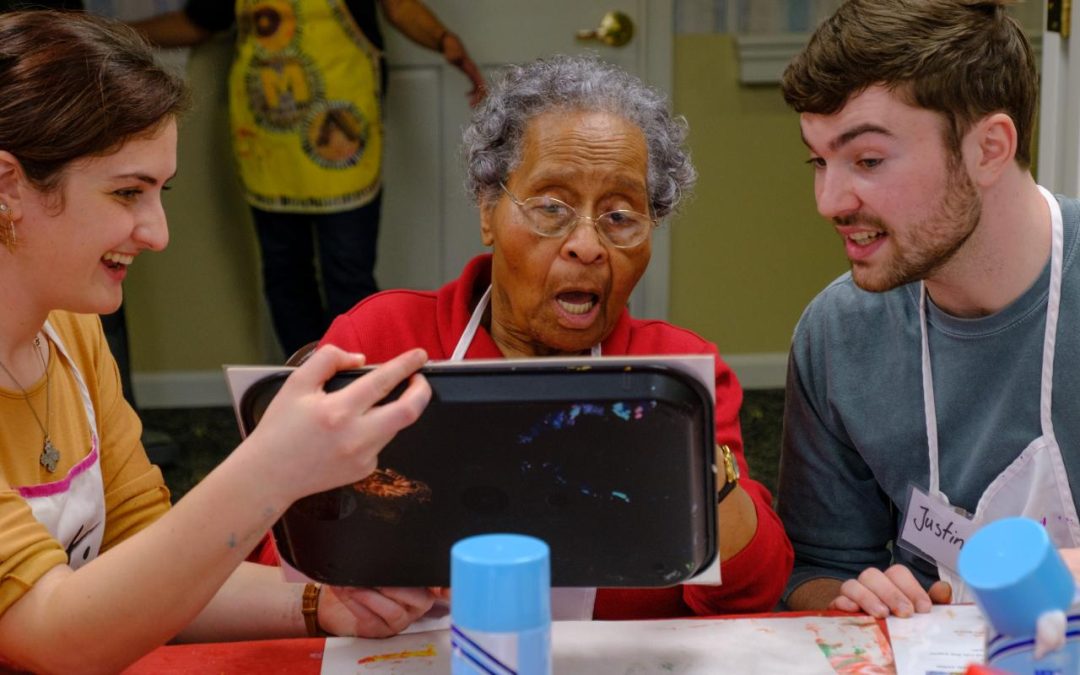
A program builds bridges across age and cognitive barriers using art.

Apple Fitness+ is a fitness and wellness service with studio-style workouts and meditations.

Access to nature returned my mother’s will to live—and made me a biophilia advocate.

Finding funding opportunities for services and supports is easier via the Roadmap.

‘Previous research has shown the value of nutrition in reducing hospital length of stay and readmission rates in surgery patients.’
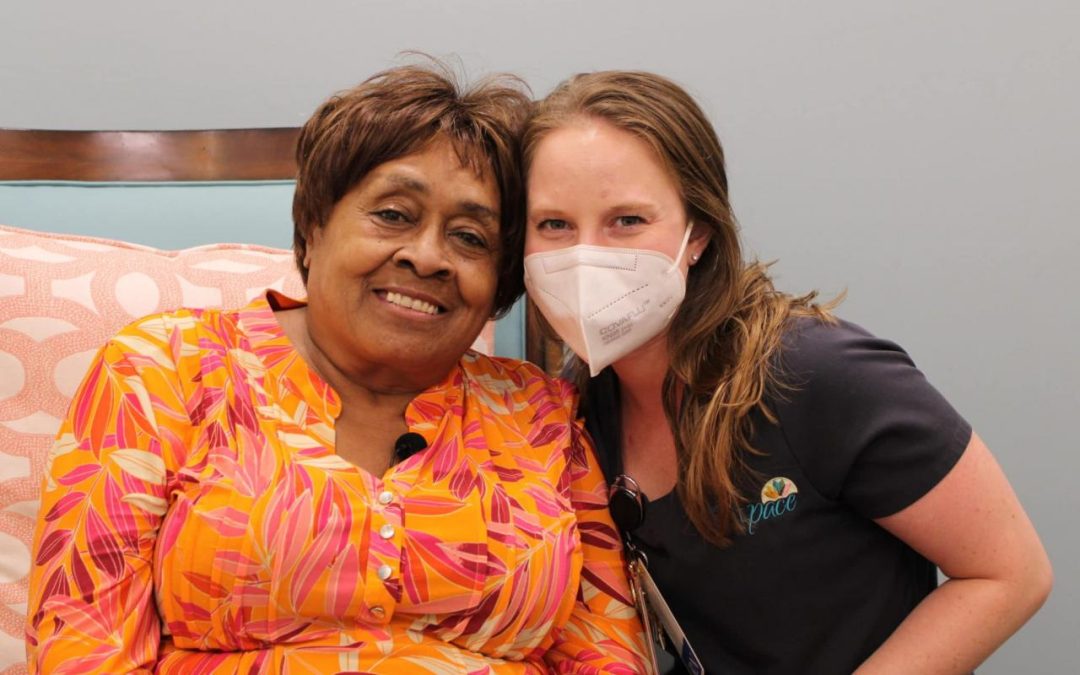
ASA members can foster the growth of PACE via the new guide.

Existing help for food insecure families tends to assume kids live with parents, not grandparents, and should be fixed to reflect reality. .