
For persons living with dementia to live well throughout the course of the disease, we must embrace person-centered care.

Looking in the Rearview Mirror and to the Road Ahead on Dementia & Living Well
read more
For persons living with dementia to live well throughout the course of the disease, we must embrace person-centered care.

Offering four strategies for bolstering direct care workers’ contribution to dementia care.

Guidance for caregiver service organizations to build and test translatable remote interventions.

Ways to use technology have grown immensely across the past decades, and benefits for people with dementia are now being seen.
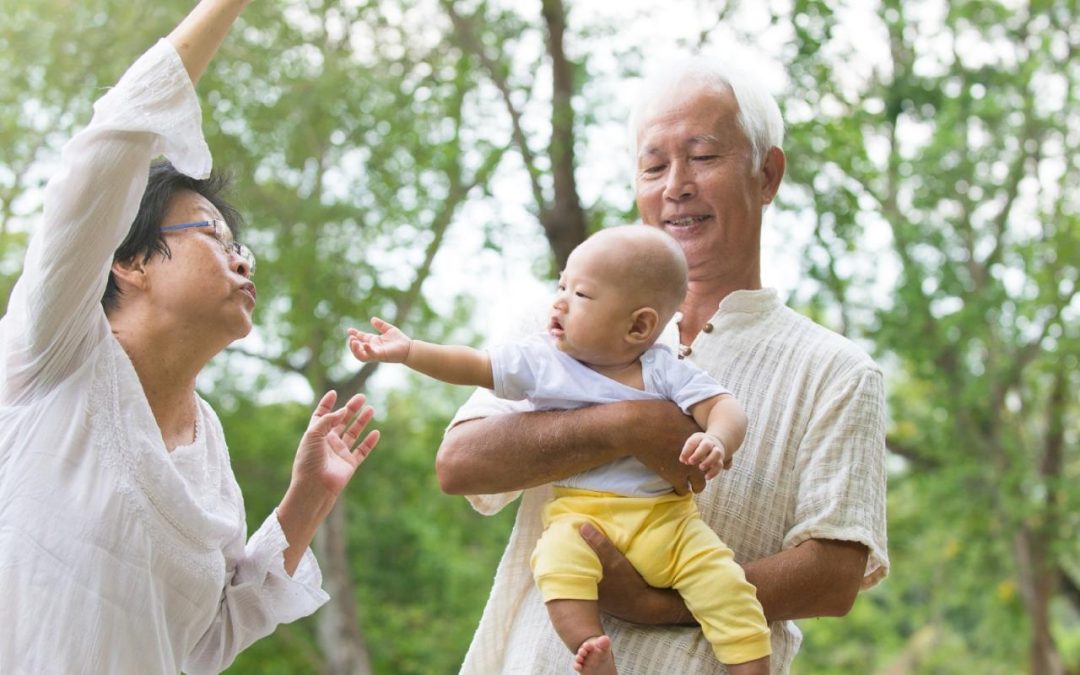
One model addresses the interconnected concepts of person-centered care, living well, and well-being.

‘The changing demographics of older adults represents a unique opportunity to transform care for this cohort.’

Prioritizing support and quality outcomes.

‘Practitioners need to know what and how to do early detection, and then how to add some simple, relevant next steps.’
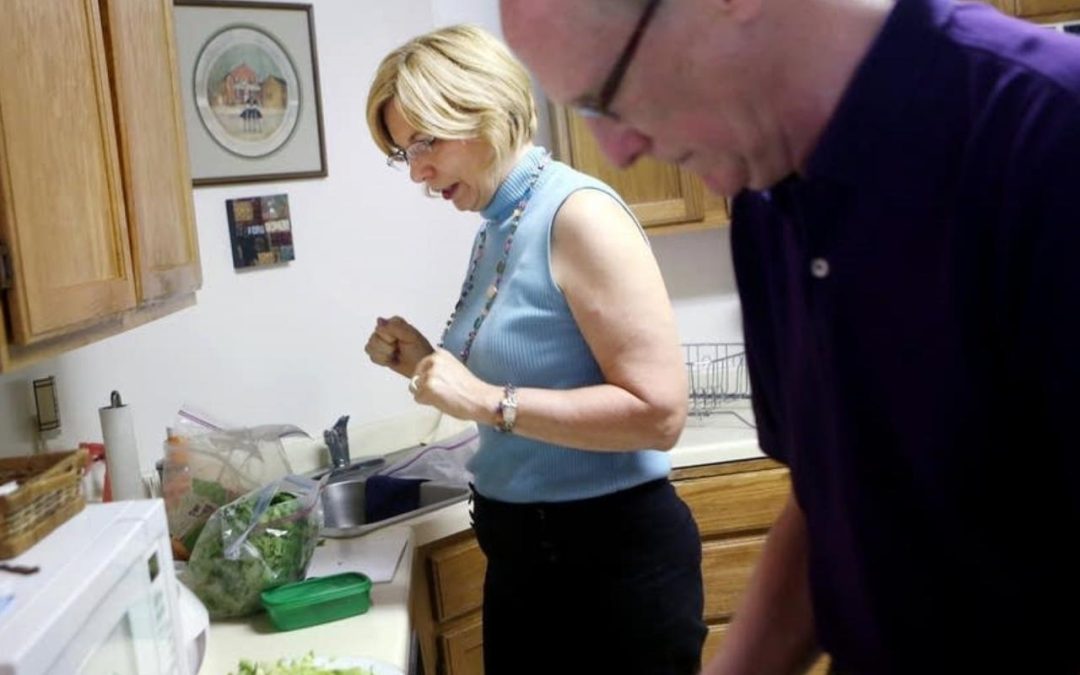
Lessons learned from a thoughtful and intensive approach to an Alzheimer’s diagnosis.

Deep experience with dementia and Alzheimer’s provide a perfect backdrop for how to live well with the conditions.

A public health agenda that reduces dementia risk factors could yield governmental and healthcare savings and improve health and well-being.

Can you truly live well with dementia? This journal issue demonstrates that you can.

Eliminating misunderstandings will make it easier to support people’s ability to reduce their risk of dementia.

A first-person account of how Alzheimer’s disease has affected one woman’s life.
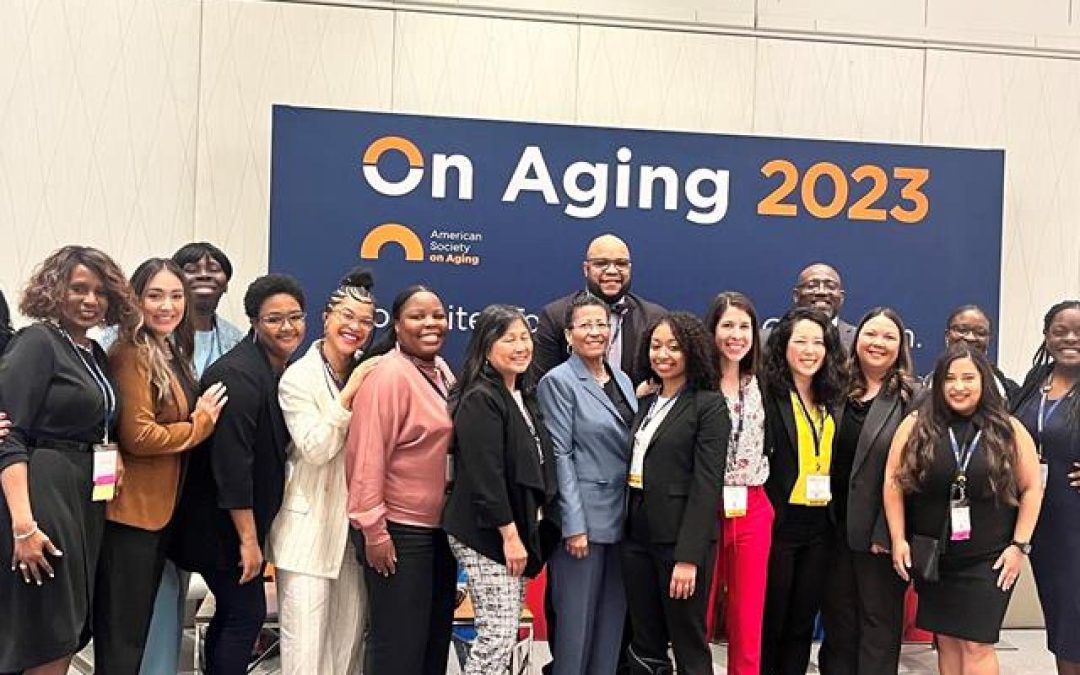
An ASA RISE project on obesity held larger lessons on ferreting out greater societal inequities.
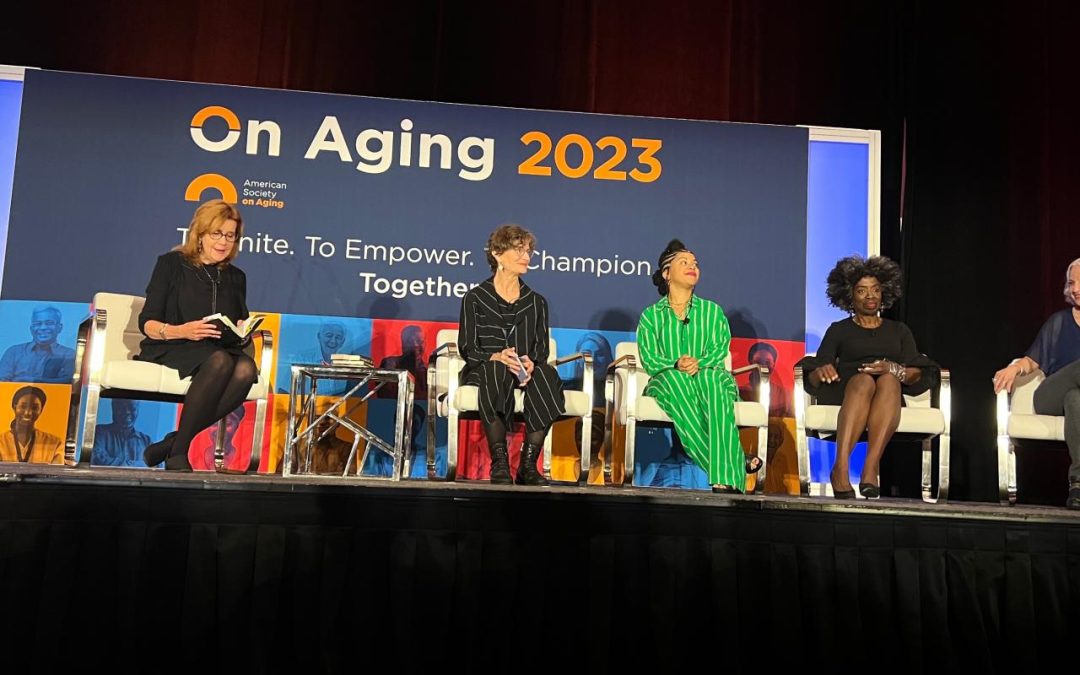
Conference welcomes national influencers, award recipients and new Board Officers and Members

Work to improve rural malnutrition can benefit from existing quality measurement tools and community action.

AARP’s Edem Hado on how she goes about trying to make older adults’ lives joyful and fulfilling.

Differences in party evolution with age may be more dependent upon life events and cohorts than they are on age.

Considering the rate at which older adults vote, it’s important to understand which voters are likely to be radicalized and how to prevent it.