
‘At the center of this framework is advancing health equity.’

Age-Friendly Public Health Systems
read more
‘At the center of this framework is advancing health equity.’

What is age-friendly care and how could its grand-scale adoption improve how we treat older adults?

Tracking the evolution of the age-friendly movement in the United States.

Why universities must become extensions of their communities rather than exclusive age-segregated spaces.

The role of Dementia Friendly America and AAAs in ensuring communities across America are supportive of those with the condition.

It is critical to include people with disabilities as stakeholders in any collaborations in AFEs.

States can use MPAs to coordinate aging and disability services and supports across sectors to achieve age-friendly ecosystems.

Where do we go from here?

Age-friendly work across sectors can coalesce into a social movement through shared principles and approaches to improve society.

Collaboration, leadership and co-production in action.

Lessons learned on the road to a Multisector Plan for Aging.

The expansion opportunity could elevate healthy aging as a core public health function, while focusing on equity.

To improve quality of life for all older adults, society must wake up to the impact of lifelong disparities.

How did the Age-Friendly Ecosystem start, what defines it, and what are outcomes so far?

Their evolution, benefits, challenges, and future directions.

The National Aging Readiness dashboard ensures those working with elders have the data needed to prepare for and support them.

The first Trump administration abandoned elders in 2020, what’s the likely fate of the nursing home staffing mandate post-Biden?

The ASA RISE Allyship Project

Economic and ethical imperatives to address healthcare ageism will only grow more urgent as population demographics continue to skew older.
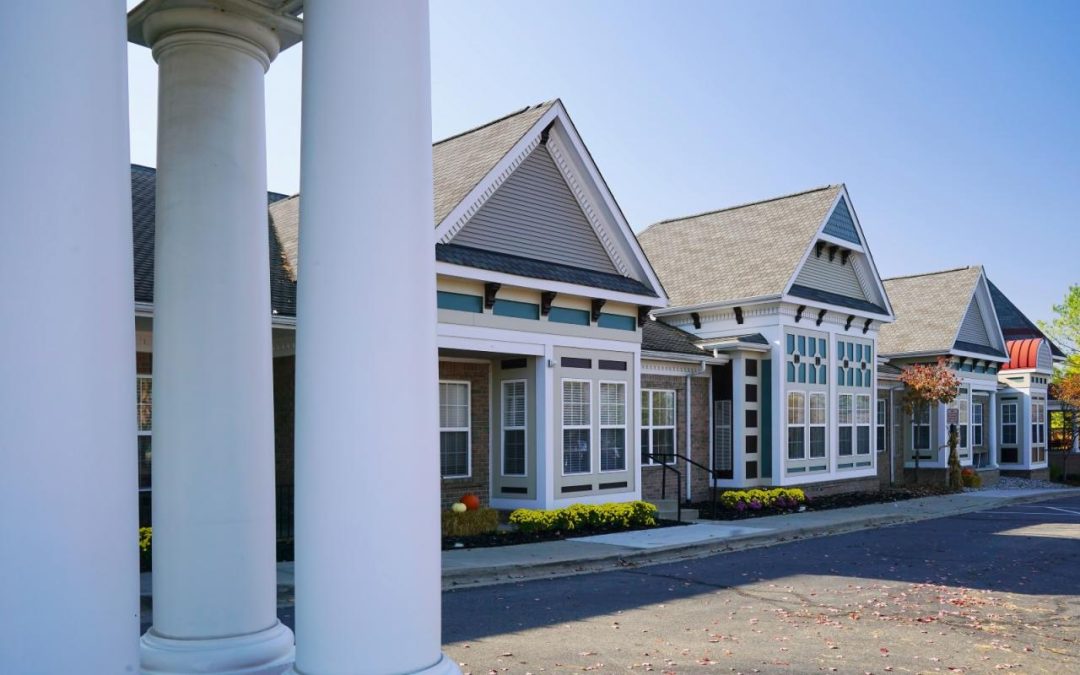
Multiple actions could be taken by CCRC leadership to improve life for residents and employees.