
When good intentions meet structural limitations.

The Age-Friendly Paradox
read more
When good intentions meet structural limitations.
This transfer will most likely act as another brick in the wall of American economic segregation.
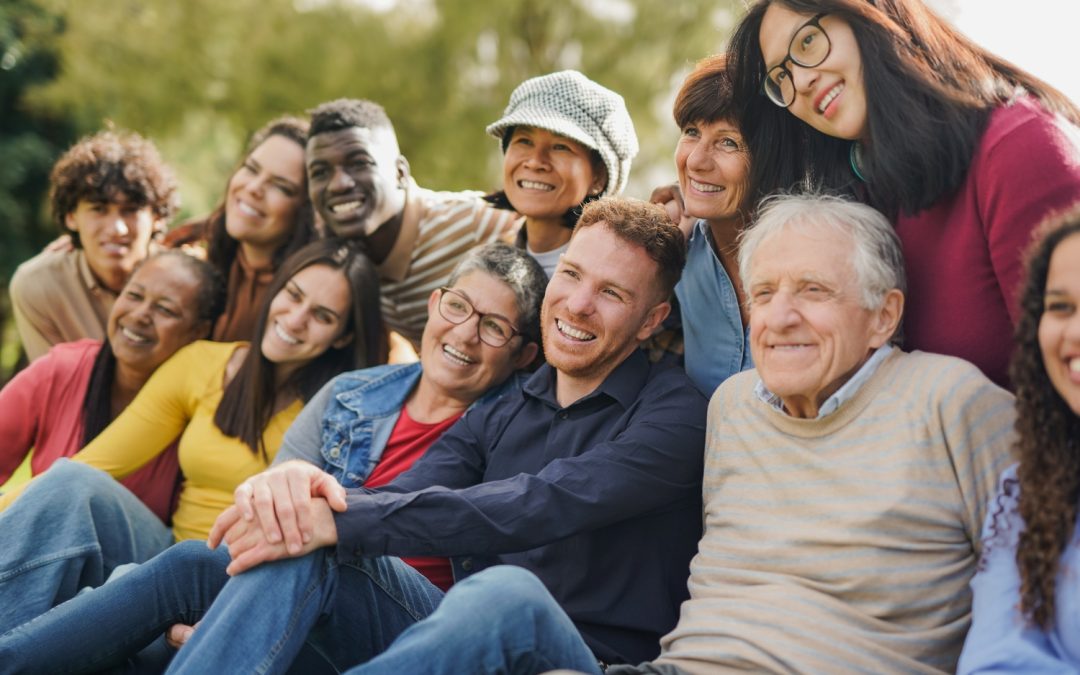
We need to bring everyone into the circle, creating environments where people of all ages and backgrounds have a sense of belonging.
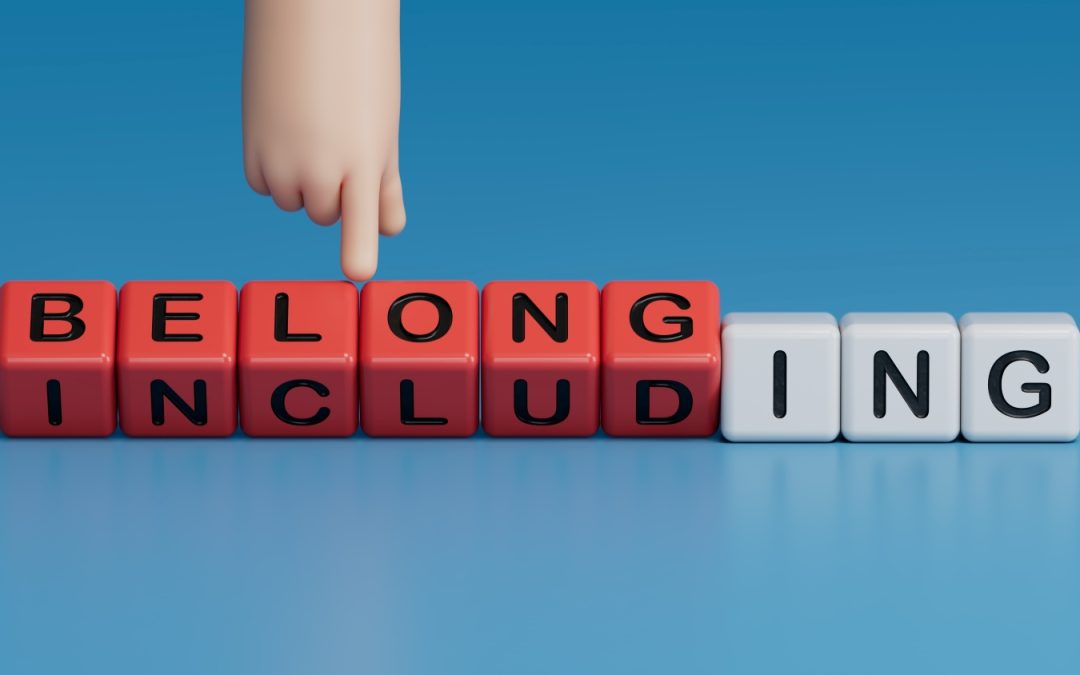
The On Aging theme of belonging should be the core of aging services and advocacy.

Increased life expectancy, longevity medicine, potential limits on childbirths, what could it all mean?

While we obsess over fat bears for fun, let’s lend some compassion to older people struggling with obesity and take action on the TROA bill.
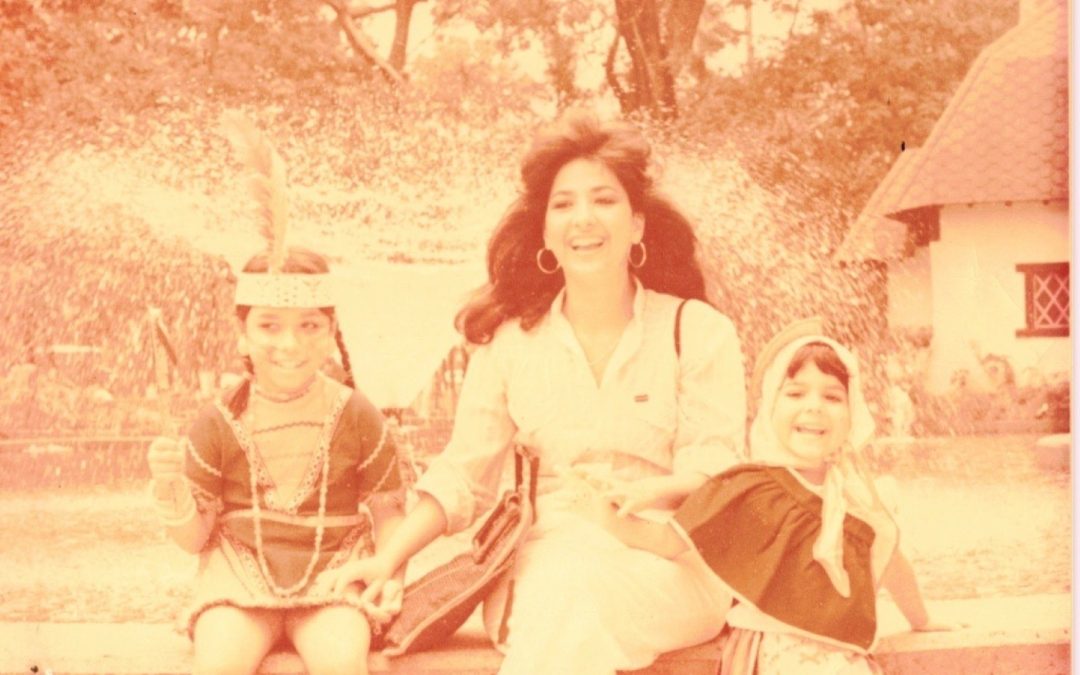
An advocate for older immigrants on why she helps those who tend to stay in the shadows.

The ability to build and pass on wealth should not be a privilege reserved for the few, but a right for all older adults.
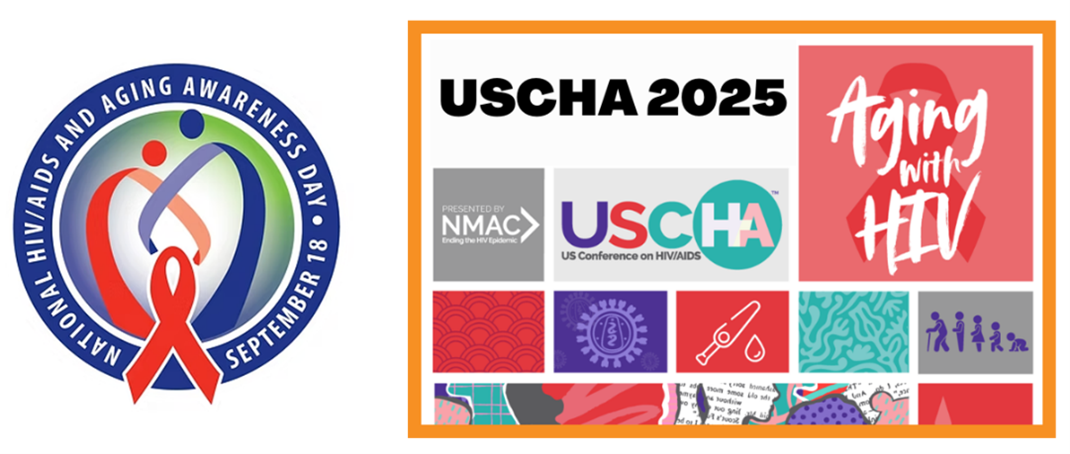
‘When aging services, health systems and community-based organizations collaborate, older adults with HIV can thrive.’

Offering a holistic and proactive approach to aging that grows the longevity dividend, unlocking untapped human potential and economic productivity.
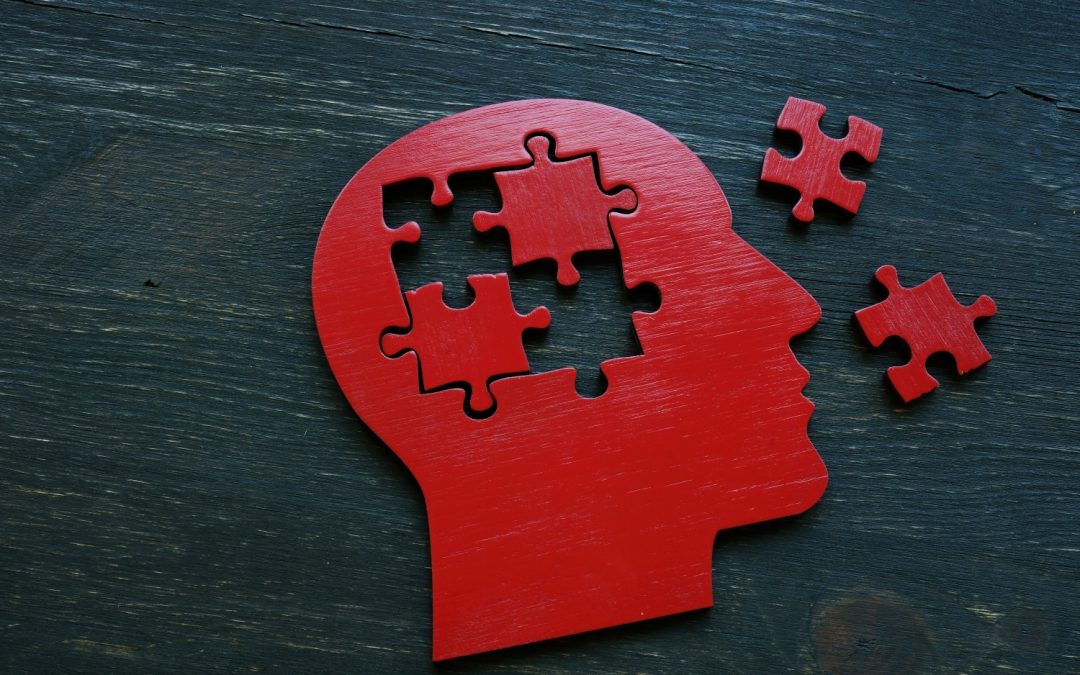
What does it mean to live more years cognitively healthy, and how might we get there?
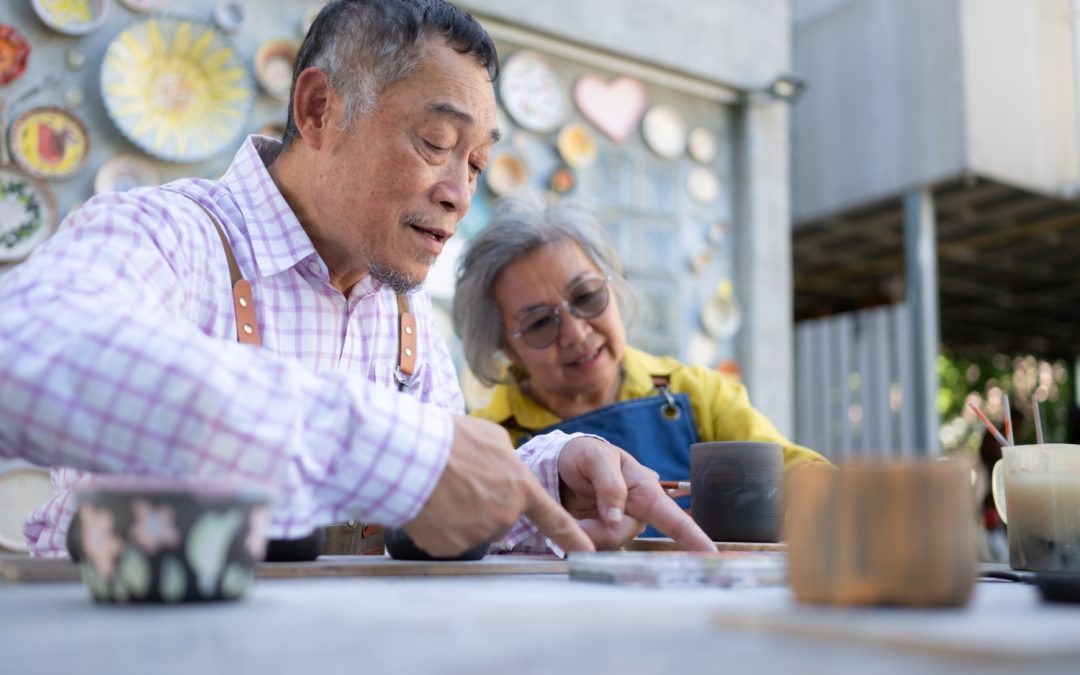
AI researchers need deep thinking to truly address social isolation.

The science behind brain health is clear, and the steps are actionable, inexpensive and personally empowering.

Cognitive health is an economic imperative.

The Trump Administration’s MAHA Strategy provides an opportunity to address older adults within each of the MAHA pillars.

The funder is unwavering in its commitment to foster leaders of color in aging.

Pushback from Congress claims that profits will come at the expense of Original Medicare patients’ access to care.

How older adults can support their cognitive health with nutrition.
Generational wealth transfer can help ensure a more secure future for heirs.
At UCSF’s Social Connections and Aging Lab, work is afoot to enhance awareness of social isolation and loneliness and cooperate with community groups to foster connection.