
I’ve been immersed in intergenerational living since birth. I grew up in a tightknit Chinese immigrant family in Missouri, where my grandparents were my afterschool program, my connection to cultural heritage, and my spiritual anchors. I was their bridge to English, youth culture, and community. I had never known any other life—and didn’t miss it—until I went away to college and it was gone.
Since then, I’ve spent an inordinate amount of time obsessed with the passage from childhood to adulthood, and the mirror-image transition from midlife to what my organization has called the “encore” stage of life. Both transitions are moments of profound identity reconstruction, possibility and vulnerability.
But those going through these two transitions rarely connect. The institutions that shape our lives have been designed—largely for efficiency—to separate us by age. Young people cluster with other young people in schools, and older adults are often siloed in senior living communities and age-specific programs.
Karl Pillemer, professor of human development at Cornell University, has called this systematic segregation of old from young a “dangerous experiment”—one linked to rising generational mistrust, rampant ageism, and an epidemic of loneliness affecting young and old alike.
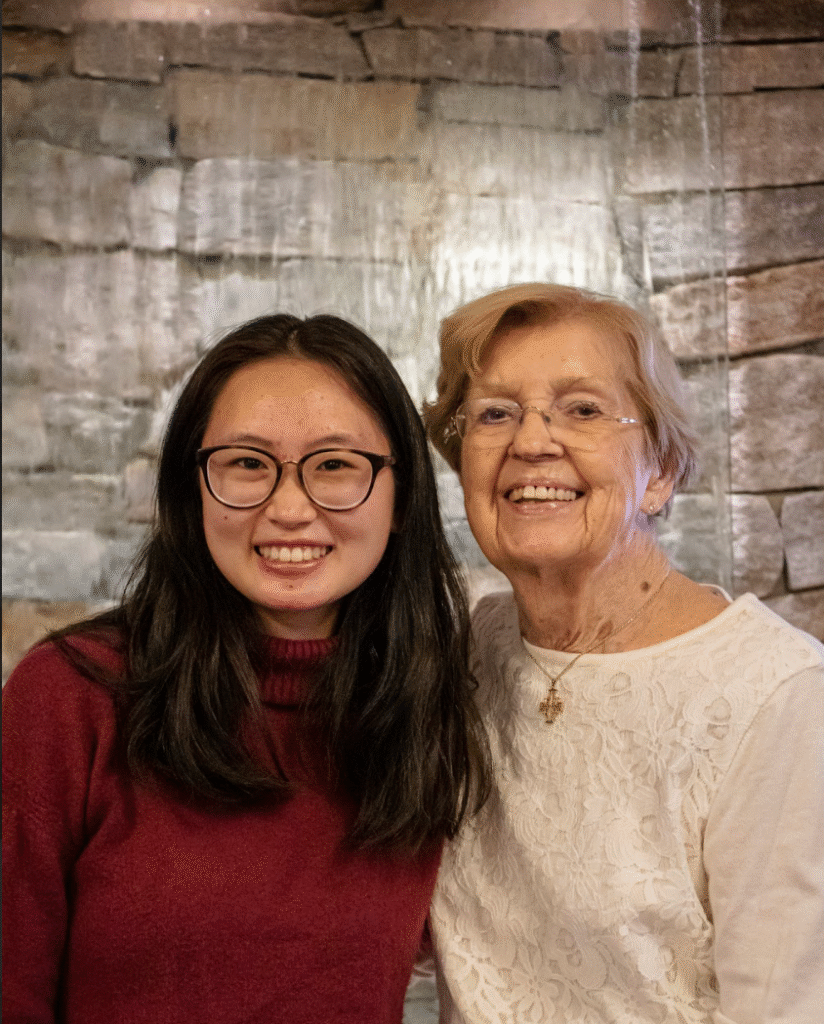
That could easily have been my story in college, but I got lucky. A chance encounter with Mrs. D., the older organist at the small Baptist church down the street from my dorm, led to an invitation to play violin with her on Sunday mornings. Our musical collaborations evolved into home-cooked dinners at her kitchen table and, over time, she became my surrogate family. My experiences with Mrs. D gave me confidence that I could find shared purpose with someone older, and that together, we could create something neither of us could have created alone.
‘For most people, transformative, intergenerational connections are a do-it-yourself endeavor.’
For most people, transformative, intergenerational connections are a do-it-yourself endeavor. Too often, we pass through entire institutions without meaningful relationships across age. What if higher education didn’t leave that to chance? What if campuses became intentional hubs of proximity, purpose and partnership across generations, making cogeneration not just possible, but inevitable?
Through my work at CoGenerate, a nonprofit focused on bridging generational divides, I’ve seen glimmers of that future already taking hold.
At Bowdoin College, student Maya Lamm’s deep friendship with an 87-year-old community member inspired an intergenerational advice column with students posing questions to older adults at the local senior center. The answers they received were candid, reflective and often surprising. “How should I handle overly concerned parents who call every day?” elicited responses ranging from “Change your phone number!” to “Ask your parents to cut back slowly. It’s traumatic for them with you gone. Forty years from now you’ll be calling to check on them.” These exchanges created a bridge across generations that reminded students they were not the first to feel lost.
At Drexel University, Professor Rachel Wenrick launched Writers Room, an intergenerational program for students and community elders. Through shared creative writing, the participants discovered something unexpected: both groups were anxious about gentrification and displacement. Instead of stopping at empathy, they took action, forming the Second Story Collective, a co-housing project that connects older homeowners from marginalized communities with student tenants willing to help with chores in exchange for reduced rent. Through aligned interests, mutual aid, and shared meals, these home-sharing pioneers are building social infrastructure across generations.
At Goucher College, President Kent Devereaux is thinking even bigger. Facing the demographic and financial headwinds confronting higher education, he has made cogeneration central to his institutional strategy. Through a partnership with Edenwald Senior Living, Goucher is building a campus that will eventually include one-third traditional students, one-third mid-career learners, and one-third campus-based retirees, all living and learning together. Goucher’s experiment will create resiliency for everyone—students entering a five-generation workforce, older adults preparing for longer lives, and institutions that must adapt to new demographic realities.
One of the most powerful innovations available to colleges is cogeneration itself.
These three efforts point to the most important story not being told today: We are living in the most age-diverse time in human history, with roughly a quarter of our population younger than age 20 and a quarter older than age 60. Together, older and younger people can become an unstoppable force for good. But even most college-connected programs for older adults operate in age silos, as older adults study in one classroom, and younger students in another.
Centers for lifelong learning often position older adults primarily as consumers of knowledge rather than campus contributors or collaborators with young people. Continuing education programs help with reskilling, but often remain disconnected from traditional students. Service-learning and community engagement initiatives often default to one-directional models, with older adults providing career mentoring to young people, or students serving elders in need. All valuable, but also missing the opportunity to develop cogenerational relationships and networks that can drive mutual learning, personal connection, professional growth, and social change.
True cogeneration requires three ingredients: proximity, purpose and partnership. When those elements converge, campuses become more than credentialing factories. They become intergenerational ecosystems that promote collaboration across the lifespan.
That belief is what led us, in partnership with Campus Compact, to launch Campus CoGenerate—an affinity network of institutions of higher education ranging from “cogen curious” to “cogen champions.” What we found was not a fringe movement, but a groundswell of experimentation from students, faculty, administrators, university presidents and community leaders.
This year, through our CoGen Big Ideas Challenge to Reimagine Higher Education, we highlighted six models that stretch the imagination of what a campus can be.
Hope Chicago supports two generations within one family at the same time, removing financial barriers and increasing resilience with wraparound supports that make education a family enterprise, not a solitary climb.
Live Together, Inc., in rural Maryland, is transforming an underutilized residence hall into intergenerational housing for students, graduates, families and older adults—turning an empty space into an engine of community renewal.
The University of Missouri St. Louis is working to offer job training, micro-credentials, counseling and tutoring services in existing neighborhood community centers, shifting the center of higher education from campus boundaries into community spaces where displaced workers, older adults and young learners intersect.
At Bennington College, the President Emerita set a radical goal: to be the first campus completely redesigned to serve 100-year lives. From intergenerational governance to co-teaching with older practitioners, the institution is reimagining who belongs in higher education—and for how long.
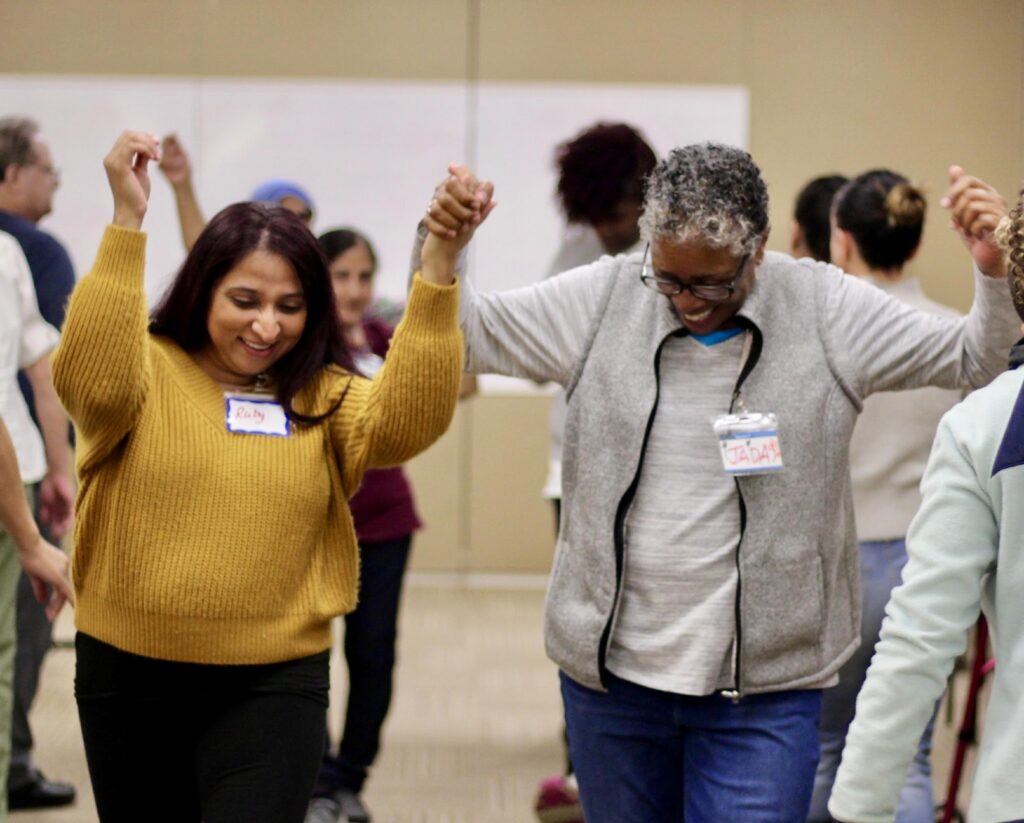
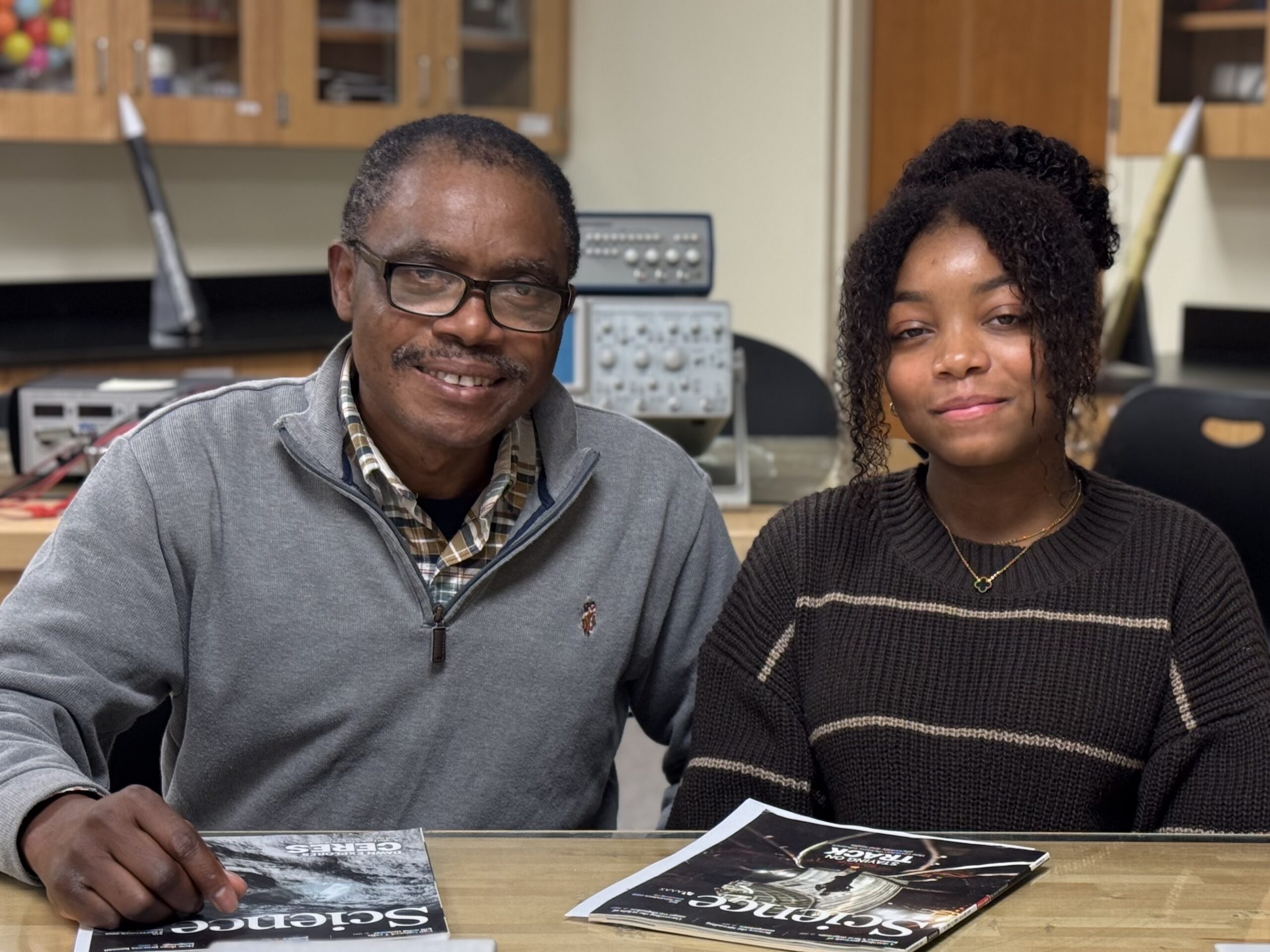
Virginia Union University, an HBCU in Richmond, centers students as co-educators, elevating life stories as curriculum and catalyst. Students are paired with faculty or staff, interviewing each other about migration, activism, caregiving, and resilience. Together, they disrupt academic hierarchies and transform individual narratives into shared civic projects that extend beyond the classroom.
Penn State University’s College of Arts and Architecture and Outreach division are using the arts as a bridge—bringing students and Osher Lifelong Learning participants into shared performances, exhibitions, experiential learning and conversations where empathy and understanding across age groups grows not from lectures, but from co-learning and co-creation.
As institutions of higher education face enrollment cliffs and existential questions about relevance, these CoGen Big Ideas show that one of the most powerful innovations available to colleges is cogeneration itself.
When I turned 50 last year, I found myself in a full-circle moment, thinking back to Mrs. D. and what we meant to each other despite our three-decade age difference. It was simple enough—all we did was make music and break bread together—but also profound. In our time together, we glimpsed what’s possible when generations are invited into meaningful connection and collaboration.
In an era defined by polarization, loneliness and demographic change, higher education has an opportunity to lead—not just in producing knowledge, but in modeling how generations can learn, earn, and create together. If campuses embrace that role, they will not only prepare students for a five-generation workforce, they will prepare society for a longer, more interdependent future that works for all of us.
We cannot leave that future to chance. Let’s design it together.
Eunice Lin Nichols is Co-CEO at CoGenerate, a nonprofit bridging generational divides.
Photo caption: An intergenerational pair participates in Humans of Virginia Union University, a storytelling project that transforms conversations across age into civic projects.
Photo credit: Courtesy Virginia Union University.