
You’ve likely noticed the headlines dominating U.S. news this past summer: “Extreme heat is breaking America,” “Heat indices could hit 120,” and “U.S. heat dome causes dangerous conditions for more than 100 million.” Here in Nashville, Tenn., where I live, we endured a grueling 30 consecutive days of above 90°F temperatures. Nighttime offered no respite, as we experienced the hottest low temperatures ever recorded in Music City.
These firsthand heat experiences mirror broader climate change trends across the United States, including “warming temperatures, more unusually hot summer days, and more frequent heat waves that threaten people’s health.” Projections suggest that record-breaking heat will persist, with prolonged multiday heat events and warmer nights.
While extreme heat affects everyone, older adults face distinct challenges and capabilities. As a growing share of our country enters older adulthood, we must prioritize the unique needs and perspectives of this older demographic. This article explores older adults’ unique vulnerability to heat and underscores the value of their lived experience in heat-responsive planning efforts. It then draws upon the World Health Organization (WHO) Age-Friendly Communities Framework to present actionable and localized strategies communities can adopt to enhance livability for our aging population amid accelerating environmental change.
Heat Risks for Older Adults
As we grow older, our risk of heat-related illness and death rises, driven by intersecting physical, social and economic factors. Our body’s ability to cope with heat declines over time, increasing the risk of dehydration and overheating. Certain medications can interfere with temperature regulation, and health conditions such as Alzheimer’s disease and related dementias add further risk, as people may not recognize warning signs of heat exposure. Mobility challenges, disabilities and limited transportation options can make it difficult to take action when temperatures soar.
Older adults are experts in the first-hand experience of aging in a warming environment and can be key contributors to community resilience.
Financial constraints compound these risks as many older adults live on fixed incomes, limiting their ability to afford cooling solutions such as home insulation upgrades or air conditioning. Social isolation, another growing concern among older adults, can limit access to timely information or assistance. Interestingly, extreme heat often drives people to hunker down indoors, possibly worsening social isolation.
Environmental factors also play a role. Older adults may live in older homes lacking adequate insulation, ventilation, and cooling systems. And elders’ tendency to migrate to warmer locales, such as Arizona and Florida, increases heat exposure. Older adults in rural communities face additional challenges, including inadequate transportation and communication infrastructure (e.g., cellular or internet service), making it harder to reach cooling centers or call for help.
Despite these intersecting risks, perception of heat risk is often low among older adults and their caregivers. Research indicates that many older adults perceive others as vulnerable but not themselves. Care providers often prioritize cold-related risks or lack the adequate staff, resources and policies needed to respond effectively to heat events. Knowledge gaps also can be a factor, as few people realize that cooling fans can contribute to dehydration under certain conditions.
Older Adults: Experts in Their Lived Realities
Too often, older adults are portrayed solely as vulnerable, neglecting their wealth of knowledge that can inform solutions for better heat preparedness, stronger response systems, and fewer health risks. They are experts in the first-hand experience of aging in a warming environment and can be key contributors to community resilience.
For instance, in community-engaged research centering the voices of linguistically diverse older adults, participants identified barriers to obtaining weather-related information, including language, technology and trust. In other community conversations, older adults emphasized the importance of pets as sources of companionship and comfort. But most cooling centers prohibit pets, leaving many older adults to remain in dangerously hot homes rather than leave their animal companions behind.
Another essential consideration is aging in place. Many older adults value staying in their homes and communities, where they feel connected and secure. Heat-adaptation strategies must respect these priorities and support safety without sacrificing independence.
A Way Forward: Age-Friendly Communities Framework
The WHO Age-Friendly Communities Framework outlines intersecting domains that shape healthy aging and meaningful engagement. Each of the domains can guide localized community planning and evaluation efforts to safeguard aging communities from heat risks.
Outdoor spaces and buildings: Communities need access to outdoor spaces and buildings to spend time together and connect. Outdoor spaces should be shaded, with ample seating and water fountains to ensure comfort. Public libraries can be leveraged as cooling stations, doubling as spaces for social int
eraction.
Heat messaging should use sources trusted by older adults and consider low literacy, limited tech access, poor connectivity in rural areas, and linguistic diversity.
Transportation: Communities need accessible, affordable, and safe transportation, such as public transit or ride sharing. Transportation can be designed to bring individuals to cooler spaces, such as public libraries and shaded outdoor spaces. Rural contexts with scarce public transport require tailored strategies.
Housing: Older adults want to age in place in their homes for as long as possible. Policies should prioritize accessible and affordable cooling upgrades, particularly for older housing and individuals with limited financial resources.
Communication and information: Accessible information is paramount for timely action. Heat messaging should use sources trusted by older adults and consider factors such as low literacy, limited tech access, poor connectivity in rural areas, and linguistic diversity. Given that many older adults are immigrants or refugees, materials must be available in multiple languages.
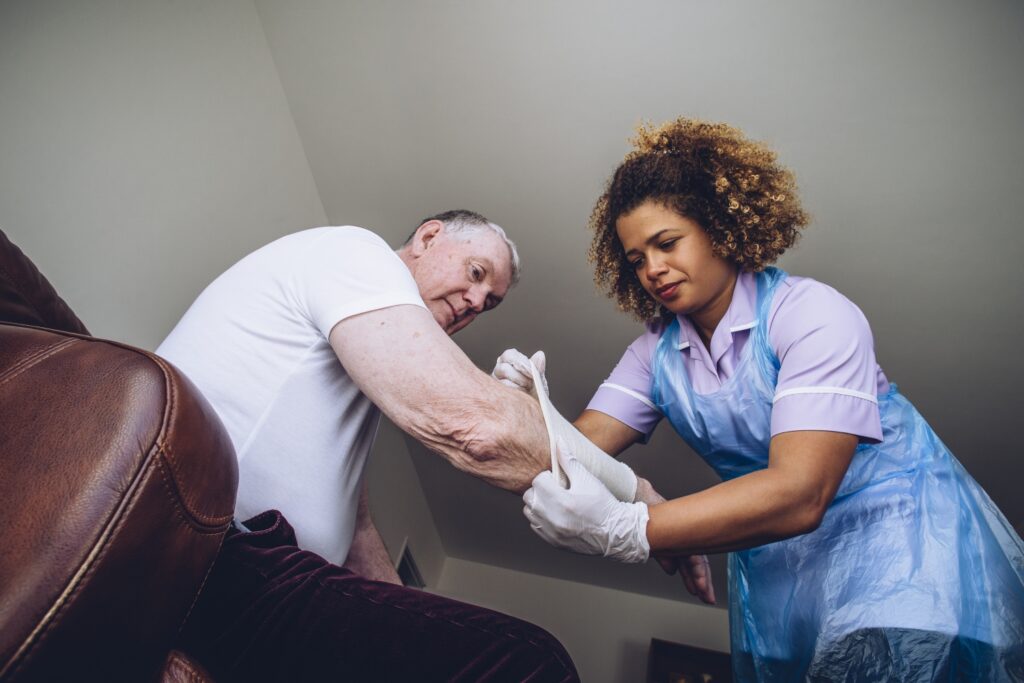
Community and health services: Community-based healthcare, home care and emergency services must be responsive to localized realities, informed by geography, resources, and transportation and communication infrastructure, to ensure services are sustained during environmental stressors, including heat.
Social participation: Social engagement is vital to prevent isolation. Involving older adults in heat planning can boost awareness of risks and available resources, while informing community strategies. Including service providers can foster trust between older adults and local agencies.
Respect and social inclusion: Intergenerational programs can foster respect and inclusion, while reducing ageism. Heat education activities across age groups can build knowledge and trust. Outreach materials should use strengths-based language to position older adults as assets in community planning.
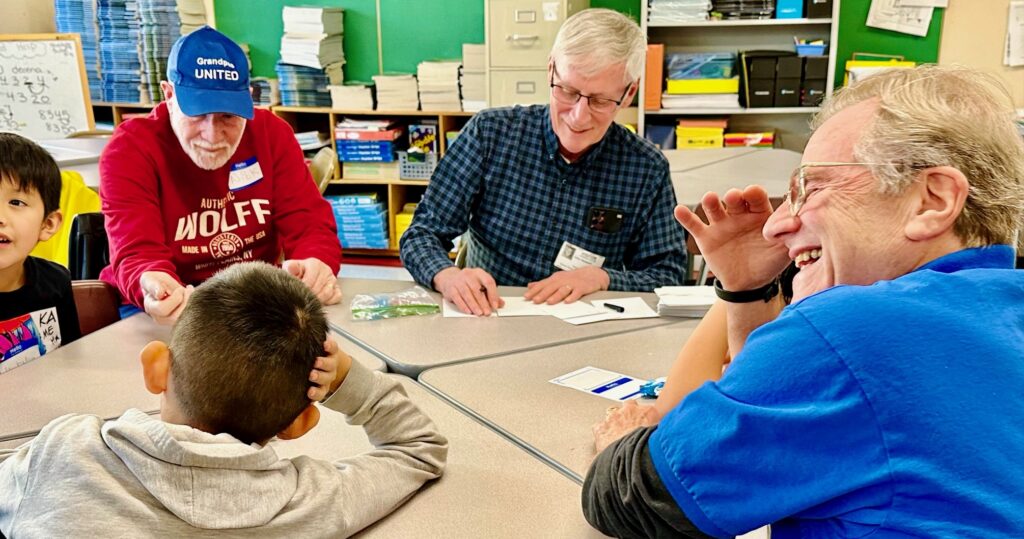
Work and civic engagement: Volunteering and community activities provide purpose. Peer networks, such as phone trees, can support check-ins during heatwaves. Older adults can also serve as community resilience ambassadors, promoting heat risk awareness and preparedness through educational outreach.
Emerging domain of sustainability and climate resilience: In an article published in The Gerontologist, colleagues and I advocated for including a new cross-cutting domain of sustainability and climate resilience to center older adults as key actors in climate resilience and catalyze transdisciplinary collaborations across community and policy scales.
Heat is just one of many climate-driven extremes affecting communities today, and when paired with events like severe storms and related power outages, these cascading crises worsen. The examples above illustrate how environmental stressors affect every aspect of life, underscoring the urgent need for climate resilience strategies tailored to each community’s unique context.
Our Call to Action
Extreme heat is a growing threat across the United States, requiring localized, urgent and inclusive action that acknowledges its disproportionate impacts on our aging population. Heat-responsive solutions must be place-based and collaborative, drawing on the expertise of health professionals, city planners, policymakers, and people across the lifespan to design environments that are safe, accessible and resilient for all. The Age-Friendly Communities Framework can guide heat-resilient civic engagement and planning for a more equitable, connected, and livable future. By acting now, we can safeguard the environment for current communities and generations to come.
Fiona Doherty, MSW, PhD, is an assistant professor at the University of Tennessee College of Social Work, in Nashville, Tenn.
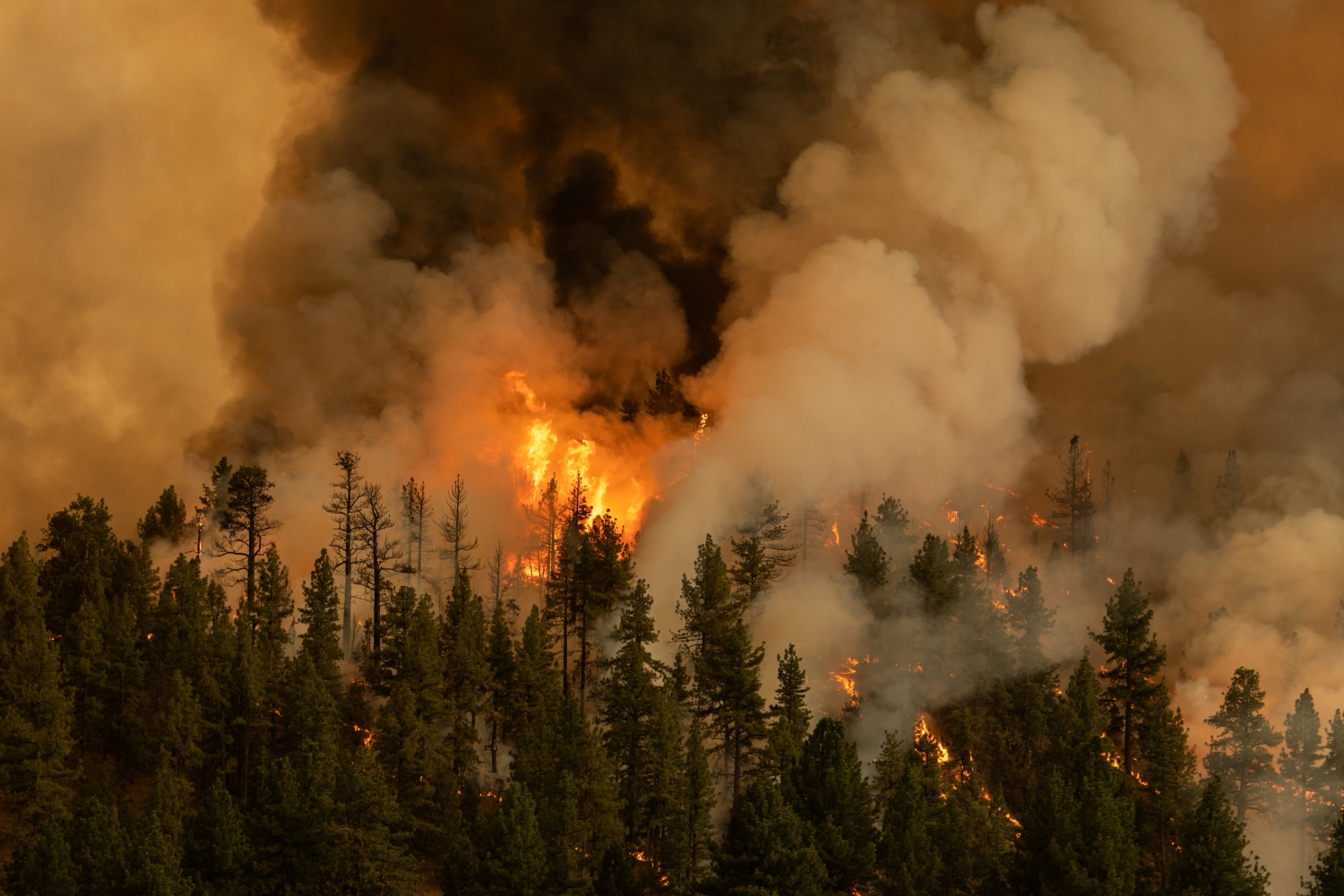
Photo caption: The Tamarack Fire burns just south of California’s Lake Tahoe, July 17, 2021.
Photo credit: Shutterstock/Trevor Bexon