
With the future of Affordable Care Act subsidies in doubt and skyrocketing healthcare costs burdening millions of American households, one powerful tool of modern medicine and technology is not being talked about enough: telehealth.
Harnessing the wonders of modern telecommunication technologies, we can now deliver healthcare services at a distance—virtual video visits with healthcare providers, remote monitoring of chronic health conditions, accessing online health information, plus the secure transmission of electronic health records.
Since the pandemic lockdowns, telehealth use has surged, bringing with it a growing chorus of patient success stories.
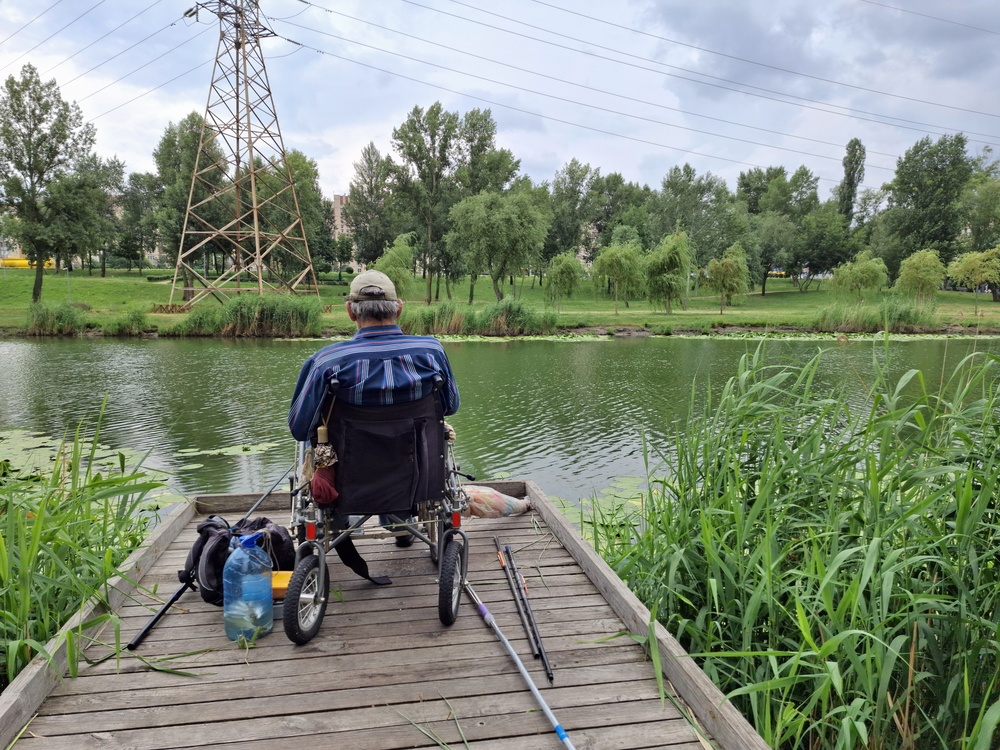
For George Hoffmann and his wife, who live in Silver Springs, Md., telehealth has been “a game changer.”
“I am not blind, but my vision has not been the same since my stroke and has prevented me from driving for five years,” he explained. “Before telehealth, I needed to rely on my wife, public transportation or community ride services to get to and from routine health appointments. I’d say I used to miss more than 30% of my appointments for various reasons outside my control, causing frustration and unnecessary fees, but that’s not the case any longer. Telehealth has saved me time, money and endless frustration trying to coordinate rides to and from routine appointments.”
Hoffman’s experience is one of many being collected by Telehealth Access for America (TAFA), a public education campaign supported by a consortium of healthcare providers, medical associations and organizations like AARP.
“I have MS and lupus and experience a lot of issues with my legs, so getting around can sometimes be difficult. But because of telehealth, I’m still able to access the care I need from my home,” New Jersey resident Letita told TAFA.
Stories like these can be found from coast to coast and point to a promise that is nowhere close to reaching its full potential, as the benefits of telehealth go far beyond anecdotal evidence.
The promise: studies have shown telehealth can significantly reduce healthcare costs, potentially shaving tens of billions of dollars off the nation’s healthcare bill—all while improving health outcomes.
The problem: it hinges on universal access to affordable, reliable, high-speed internet service, which tens of millions of Americans currently lack.
What’s Blocking Pathways at the Heart of Telehealth
While insurance reimbursements for telehealth visits can be a sticky policy issue (payment parity varies state to state, while Medicare coverage was recently held hostage by the government shutdown), the central challenge in expanding telehealth services entails reducing or eliminating three interrelated roadblocks to access:
Infrastructure: There are large pockets of the United States, primarily in rural America, that do not have the infrastructure (the wires, and/or towers) necessary to deliver high-performance Internet connectivity.
‘Now that we’ve put these telehealth stations in senior centers, people can still leave their home and go somewhere nearby where staff can help.’
Affordability: Even in communities and neighborhoods where the infrastructure exists, home internet service (and/or internet-connected devices needed to get online) are not affordable for millions of households.
Adoption: Assuming the infrastructure is in place, and affordability isn’t an issue, some people remain unable to truly take advantage of the benefits that internet connectivity provides because they lack the digital skills necessary to successfully and safely navigate our digital world.
The Bipartisan Infrastructure Law passed in 2021 was designed to address these challenges. But, with the drastic changes the Trump administration has made to the Biden-era “Internet For All” initiative established and funded by the infrastructure law, many experts (my organization included) are deeply skeptical that our nation will have universal access to affordable, reliable, high-speed Internet service when the now revamped and limited federal funding programs run their course.
Not only has Congress refused to fund the now-expired Affordable Connectivity Program (ACP)—which provided a $30/month discount to help 23 million income-eligible households pay for Internet service—the Trump administration has also imposed federal grant-spending rules on states that reduce investment in future-proof internet access technologies like fiber networks (the gold-standard of internet connectivity) in favor of less reliable but more expensive satellite service.
Further, President Trump also unilaterally terminated the Digital Equity Act, which was passed by Congress in 2021 and had been designed to fund digital skills training and expanded device access programs primarily for older adults, veterans and other “covered populations” that studies have repeatedly indicated are among the least connected.
Still, there are hundreds of state- and community-based digital inclusion organizations and coalitions across the country that have been—and continue to be—working to fill the gap, with a growing number specifically focused on expanding access to telehealth.
Bridging the Digital Divide: The Key to Telehealth’s Promise
In Chattanooga—America’s first “gig city” and home to the municipal broadband network known as EPB Fiber—the nonprofit Enterprise Center ramped up its “Tech Goes Home” program and “dove head first” into telehealth beginning in 2021, working with community partners to set up telehealth stations in each senior center across EPB’s nine county footprint.
Enterprise Center CEO Sammy Loudermilk explained how his organization created a digital skills curriculum and training for older adults that covers all the basics—demonstrating how web browsers work, how to set up email accounts, and “cybersecurity stuff like creating strong passwords. We also do basic troubleshooting like how to fix your camera and sound.”
He said they also recruited local healthcare providers to come in and demonstrate how their telehealth platforms work and how to use the software.
Demand spread quickly. Soon Knoxville organizations were asking for the same curriculum. Then momentum grew statewide after the West End Home Foundation in Nashville established a grant program encouraging applicants to partner with The Enterprise Center to deliver digital skills training for older adults.
“Before we knew it, we were working all across Tennessee,” Loudermilk said.
For rural residents, the program wasn’t just about convenience—it was about access.
“In some of the rural areas, it’s easier to log on and see your specialist than drive 45 minutes into the big city,” Loudermilk said. “And now that we’ve put these telehealth stations in senior centers, people can still leave their home and go somewhere nearby where staff can help.”
The program produced a ripple effect no one saw coming.
Part of the grant included mobile hotspots for older adults to take home. When those expired, something surprising happened: older adults kept coming back to the senior centers for internet access—and started calling rural co-op providers to ask for home service.
‘One intervention with a digital health navigator can completely change how someone participates in their own healthcare.’
“Either the internet didn’t reach their house, or it was too expensive,” Loudermilk said. “But once they saw the value, they became some of the strongest broadband advocates we’ve ever seen.”
For Loudermilk, the impact goes beyond telehealth.
“Telehealth is just one part of making sure residents are comfortable with up-to-date technology,” he said. “Quality of life is what this is about—health, mental health, connecting people to care.”
The telehealth curriculum developed during the early days of the expansion is still in use, especially in the Knoxville region, where it remains a core part of digital literacy offerings.
And on the other side of the country, a similar effort has taken root in San Francisco, where the SF Tech Council—a multisector collaboration of government and nonprofit partners—has built one of the nation’s first simulated training platforms to help older adults and people with disabilities learn to use patient portals.
Co-directors Andrew Broderick and Karla Suomala say the idea emerged after noticing a glaring blind spot: while many, if not most, health systems are using online portals to manage appointments, view lab results, order medications, and message providers, “almost no one was helping older adults learn how to use them.”
With support from a state digital inclusion grant, the Council created “YourChart,” a hands-on training tool modeled after the San Francisco Health Network MyChart system—the same platform used by more than 190 million patients nationwide. Because every health system customizes the MyChart interface, traditional how-to videos and PDF guides often confuse patients. By contrast, “YourChart” mirrors the exact layout San Francisco’s safety-net patients see.
The results have been striking. Nearly all participants—most of them low-income and often from marginalized communities—had never heard of a patient portal prior to the training. But within a single 45-minute session with a digital health navigator, many were able to navigate basic tasks on their own.
“There’s a real hunger,” Broderick said. “Once people know what a portal is and how to use it, they’re eager to use it.”
Participants cited convenience, the ability to check lab results quickly, easier prescription refills, and avoiding long phone waits as major benefits. And because many older adults in San Francisco are “mobile first,” especially in Chinese-speaking communities, the Council made the tool available in English, Spanish and Chinese.
Suomala said the most surprising outcome was how quickly people gained confidence: “You could introduce someone to a portal for the first time, and by the end of an hour they were doing the basic things they needed. And the more they used it, the more regularly they used it.”
For Broderick and Suomala, the lesson is clear: health systems cannot assume patients will navigate digital care on their own—but with the right support, they can.
“One intervention with a digital health navigator can completely change how someone participates in their own healthcare,” Broderick said.
Telehealth is transforming lives, but only for those with digital access. Stories from Chattanooga to San Francisco show that when people have reliable Internet access, digital skills and support, they can better manage their health. Yet tens of millions of Americans remain offline, cut off from care, convenience, and the savings telehealth can provide.
Bridging that digital divide isn’t optional—it’s essential. Ensuring universal affordable connectivity and digital literacy isn’t just about technology; it’s about giving every American the chance to see a doctor, manage their health, save money, and improve their quality of life.
Ironically, we may be on a path to save billions of dollars from cancelling the Digital Equity Act and infrastructure investments, to then lose tens of billions of dollars from less efficient healthcare and worse outcomes.
But one thing is for certain: the future of healthcare is online—if you’re connected.
Sean Gonsalves is associate director for Communications with the Institute for Local Self-Reliance’s Community Broadband Networks Initiative. Formerly he was a nationally syndicated columnist in 22 newspapers and has extensive experience in Television and radio.
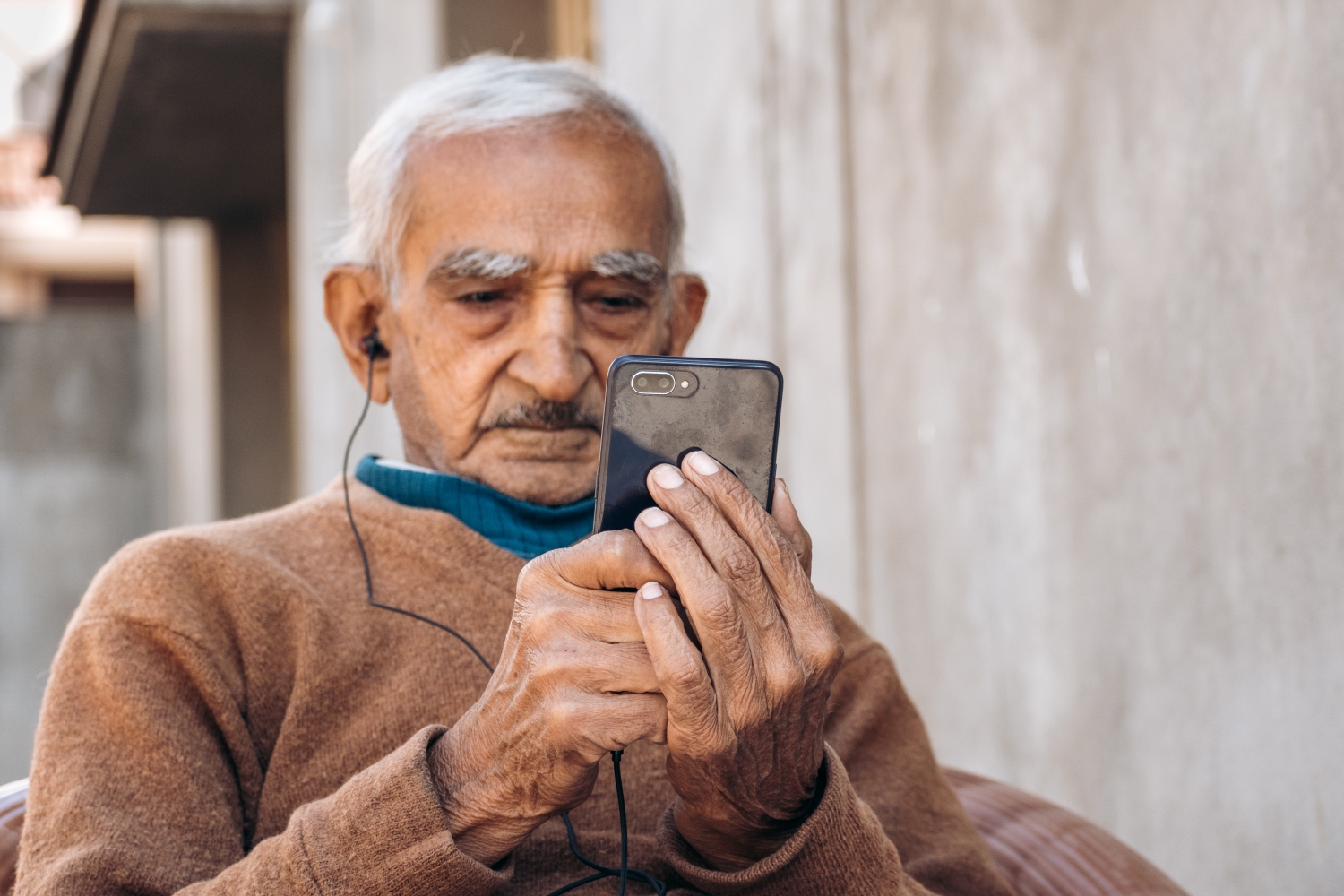
Photo credit: Shutterstock/Yashvi Jethi