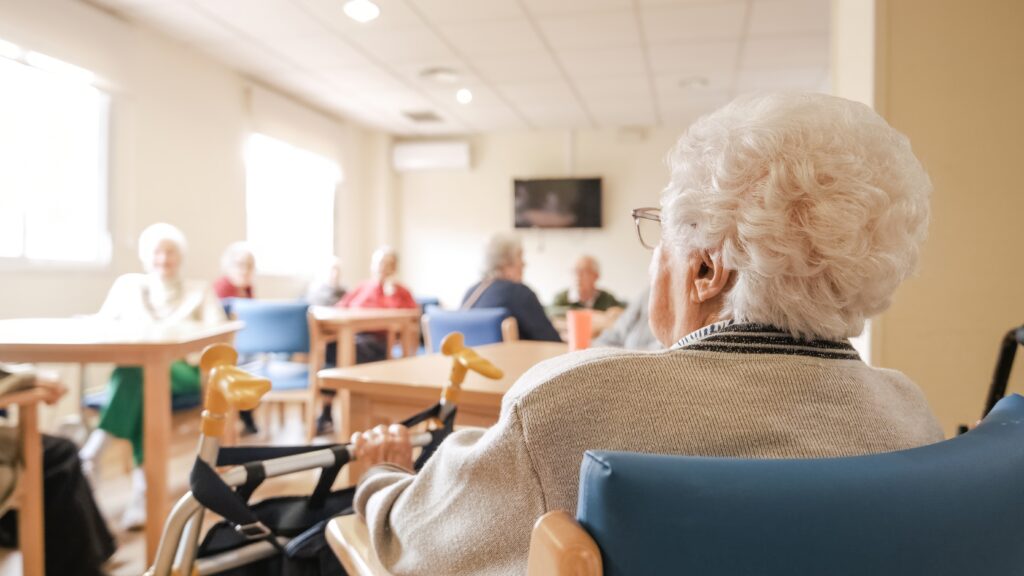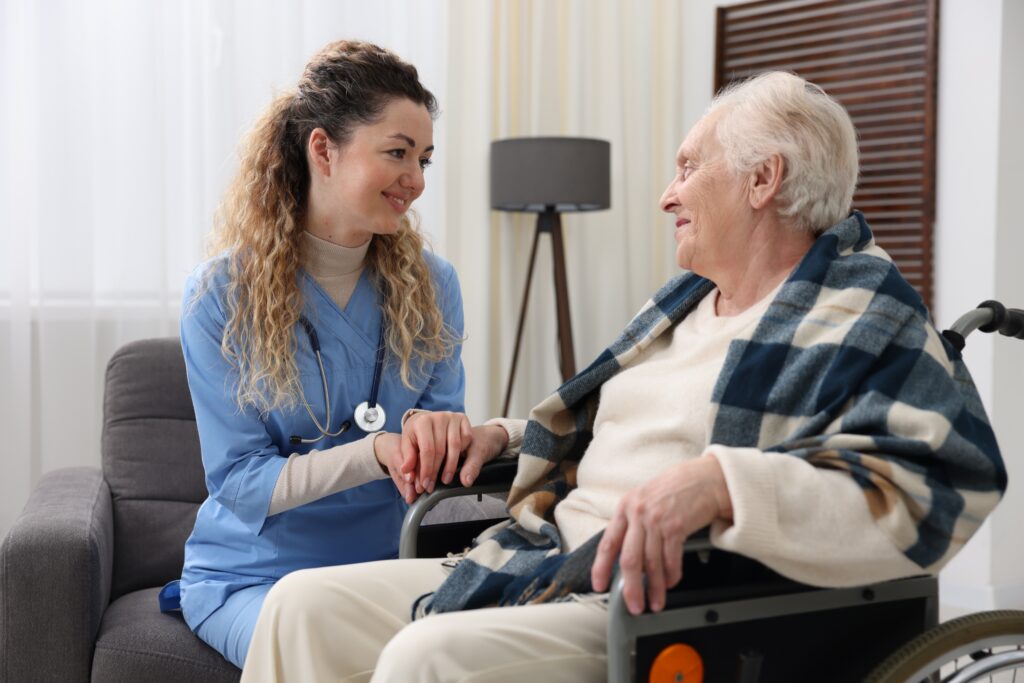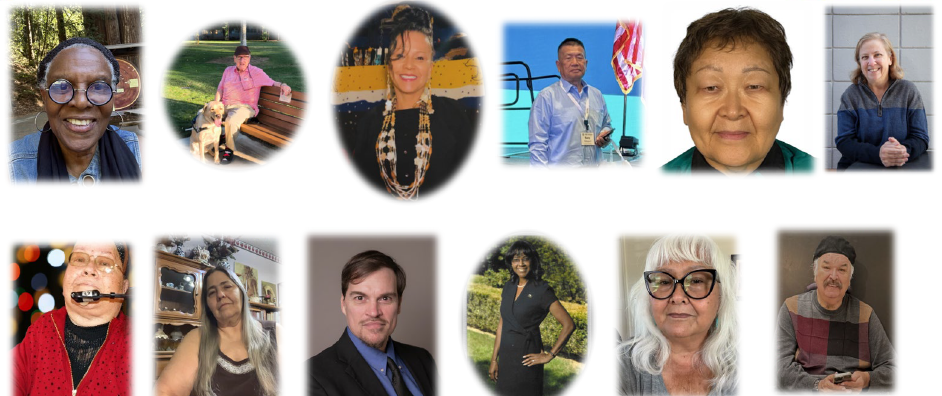

What does an accessible digital space look like? What does it feel like to be in a space where access is anticipated rather than requested?
Who is there—and who feels they belong without having to justify their presence? What are people doing, and how easily are they able to participate? What tools or supports are available, and how much choice do people have in how they engage? When barriers arise, how do people support one another?
And behind the scenes, who designed the space, who built it, and whose knowledge shaped the decisions that were made?
Imagining the world we’re trying to build is a powerful step that can move us toward more accessible and inclusive futures. And when we imagine together, we begin to build a collective understanding of what matters, what’s possible, and who belongs. Research on collaborative imagination shows that when we imagine future worlds together, we are more likely to take steps to make those worlds a reality.
This matters deeply for accessibility.
Accessible worlds require us to collectively imagine futures where disabled and older people are not accommodated as an afterthought but are integral to how spaces—digital and otherwise—are designed from the start. That kind of future depends upon shared vision, shared responsibility, and a willingness to learn from one another.
When we imagine access together, we begin to see accessibility not as a checklist, but as an ongoing, relational practice—one that shapes how we design, how we collaborate, and how we show up for each other in community.
The desire to quickly make our digital spaces “compliant” reflects the ableism and ageism baked into our society.
In my work, I’ve seen how often people come to digital accessibility looking for a fix—a tool, a plugin, or a checklist that can make a website or other digital content compliant. Sometimes we want a solution that works instantly and permanently, like an accessibility overlay that promises to solve it all with a single line of code—without changing a thing about your workflow, how your content is structured, written, or navigated, and without asking for a deeper examination of the ableist systems and structures that remain.
But true accessibility work asks more of us. And in asking more, it gives more.
The desire to quickly make our digital spaces “compliant” is certainly a product of our fast-paced, capitalist culture—but I also think it reflects the ableism and ageism baked into our society (and really, aren’t those the same thing?). It’s the kind of ableism and ageism that sees disabled and older people as burdensome, as difficult, as needing to be fixed. The kind that refuses to slow down. The kind that sees disability and old age as exceptions, rather than normal parts of human existence. The kind that doesn’t imagine us as disabled or old—or ever becoming disabled and old.
In aging spaces, many of us know differently.
We know that bodies and abilities change—over years, and from moment to moment. We know that disability and aging aren’t just someone else’s experience. We are all aging. And, if we’re privileged to live long enough, we will all be disabled at some point in our lives.
As more and more of our lives happen online, digital accessibility becomes about more than legal compliance (though yes, it is a legal requirement). And it’s about more than expanding our reach to the millions of people who are disabled (though it does that, too).
Digital access is a human right, grounded in dignity, autonomy, and community. And as disability justice advocates Mia Mingus, Alice Wong and Sandy Ho remind us, access is love. It’s a practice of community care, interdependence, and belonging.
In a blog post announcing this year’s On Aging conference theme, The Power of Belonging, Patrice Dickerson wrote:
“Too often, our systems fail to create belonging for those who most need it. And if we do not intentionally design systems of belonging, exclusion will remain the default.”
I couldn’t agree more. And it’s exactly that sentiment that brought me to accessibility work in the first place.
‘It’s a space to imagine and learn (and unlearn) collaboratively.’
When we commit to accessibility—when we learn how people with different access needs experience the web, make incremental changes, hire and test with disabled people, and shift how we write, design, and organize our content—we gain more than compliant websites. We gain the skills, empathy and insight we need to imagine and build a more accessible world.
The practice of imagining and building accessible spaces creates belonging. And if we skip that part—if we look for a quick fix—we miss out on the very process that creates and nurtures the belonging we claim to value.
Recently I was reminded of something bell hooks said: “Choosing love we also choose to live in community, and that means that we do not have to change by ourselves.”
That’s exactly what this year’s Access-a-thon workshop at the On Aging 2026 conference is all about: choosing love, showing up with curiosity, imagining accessible worlds, and growing together in community.
It’s not a lecture. It’s not a crash course in compliance. It’s a space to imagine and learn (and unlearn) collaboratively. To apply skills to test and improve access to your digital projects. You’ll test your organization’s website, social media, or other digital content using approachable tools and methods. You’ll work alongside others—sharing questions, insights and progress as you go. You’ll leave having made real improvements, received real support, and a clearer sense of what access looks like in practice.
The tools we’ll use are simple. But the practice is powerful. Because in doing this work together we’re not just improving digital content. We’re learning how to care for each other, and our communities, in digital spaces. We’re creating belonging—on our websites, and beyond.
To register for the author’s Access-a-thon: A Collaborative Website Accessibility Workshop, visit this link.
Betsy Dorsett is a communications and graphic design consultant for nonprofits in Asheville, NC.
Photo credit: Shutterstock/Freedomz